Table of Contents
- Why European Hybrid and EV Owners Need Specialized Service
- What Sets Independent Specialists Apart from Dealerships
- Our Dealer-Level Diagnostic Capabilities for Hybrid Systems
- Advanced ECU Remapping and Performance Tuning for Hybrid Vehicles
- Cost and Efficiency Comparison: Independent vs. Dealership Service
- OEM Parts and Manufacturer Specifications We Maintain
- Hybrid Battery Health Monitoring and Thermal Management
- Transmission Rebuild Expertise for Hybrid Powertrains
- Why EuroX Performance is the Clear Choice for Your European Hybrid or EV
- How to Choose the Right Service Provider for Your Specific Vehicle Model
Why European Hybrid and EV Owners Need Specialized Service
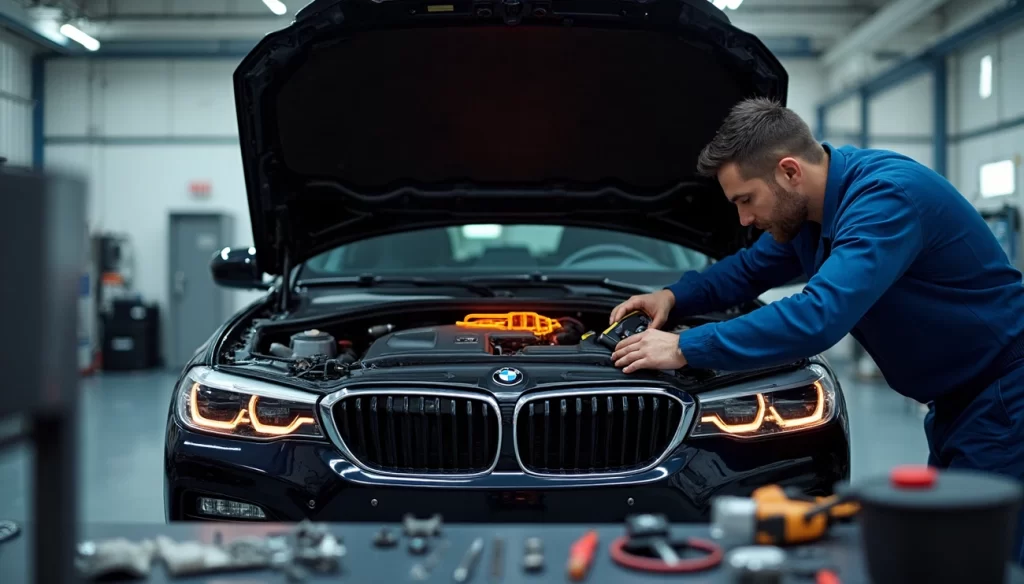
European hybrid and electric vehicles operate on fundamentally different principles than conventional gasoline engines, and dealerships often treat them as afterthoughts to their standard service routines. When you own a BMW i8, Porsche hybrid, or Audi e-tron, you’re managing complex integration between regenerative braking systems, high-voltage battery architecture, and sophisticated power management electronics that demand expertise specific to European engineering standards.
The hybrid powertrains found in modern European vehicles combine traditional combustion engines with electric motors in ways that require simultaneous understanding of both mechanical and electrical systems. A technician must troubleshoot problems that span from thermal battery management to ECU communication protocols. Generic repair shops lack the diagnostic depth needed to identify whether an issue stems from the battery management system, the inverter module, or the engine control unit itself.
Additionally, European manufacturers engineer their hybrids with performance expectations that differ significantly from Japanese or American hybrids. Your Porsche’s hybrid system prioritizes responsive acceleration and power delivery, while a Toyota hybrid prioritizes fuel economy. This fundamental design difference means repair procedures, maintenance intervals, and performance parameters vary dramatically across brands.
Action step: Before trusting your European hybrid or EV to any service provider, verify their technicians hold manufacturer-specific certifications and have completed training on your vehicle’s specific powertrain architecture.
What Sets Independent Specialists Apart from Dealerships
Independent specialists like us focus exclusively on European vehicles, which means our entire operation is built around the diagnostic tools, parts inventory, and technical knowledge your car actually needs. Dealerships operate as profit centers for multiple vehicle brands simultaneously, spreading technician expertise thin across everything from pickup trucks to luxury sports cars.
When you visit a dealership for hybrid service, you’re typically getting a technician whose primary training covered conventional engines, with supplementary EV training added as an afterthought. Our technicians live and breathe European performance engineering. We invest in equipment specifically designed for BMWs, Audis, and Porsches rather than spreading capital across fifty different vehicle lines.
We also maintain relationships directly with European suppliers and parts distributors, giving us access to components and technical bulletins that dealerships sometimes receive weeks later. This means faster diagnosis, more accurate repairs, and better pricing on OEM components.
Another distinction: we can perform modifications and performance optimization that dealerships won’t touch. If you want to enhance your hybrid’s efficiency or adjust power delivery parameters, dealerships will decline the work. We evaluate each request against manufacturer specifications and pursue tuning that improves your vehicle’s capabilities safely.
Action step: Ask any potential service provider how many technicians on staff hold ASE certifications specifically in hybrid/electric powertrains, and request documentation of manufacturer training completion.
Our Dealer-Level Diagnostic Capabilities for Hybrid Systems
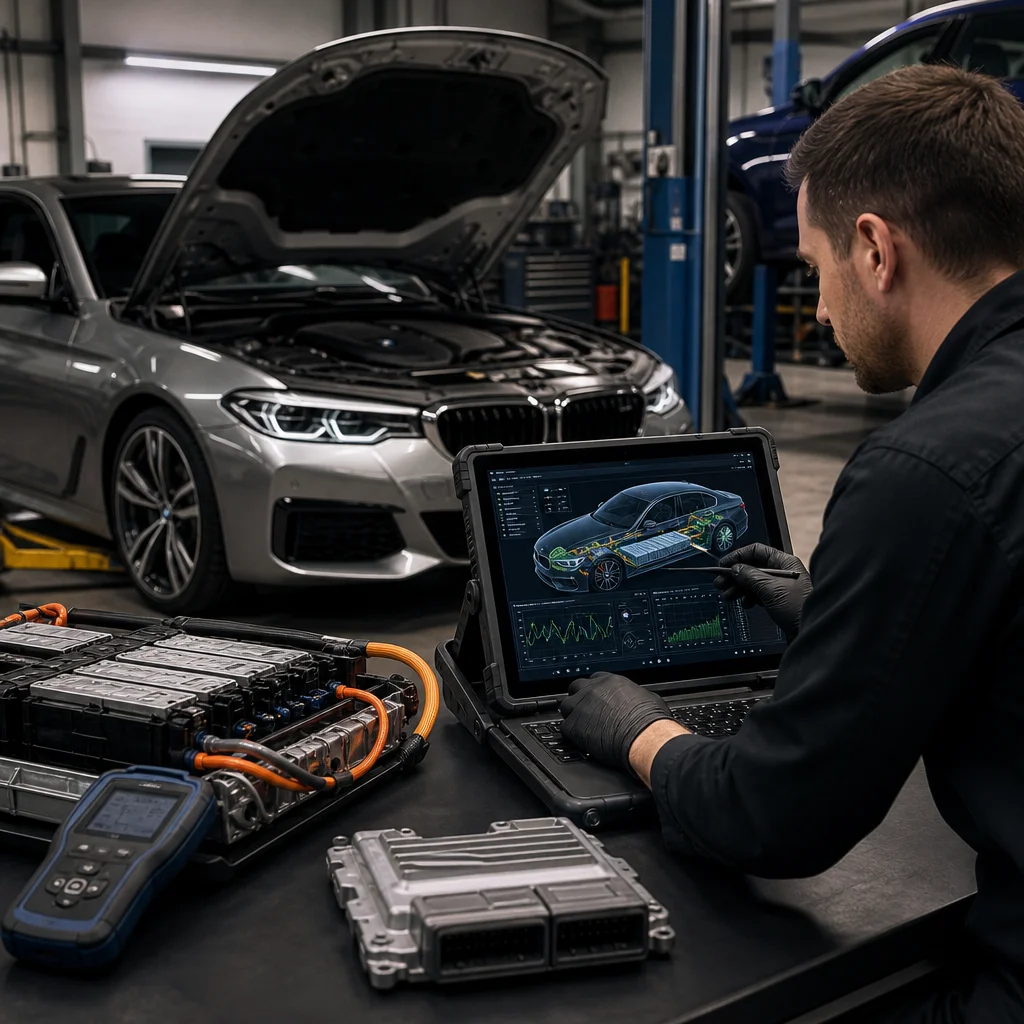
We’ve invested in dealer-level diagnostic equipment that rivals what you’d find at official manufacturer service centers. Our diagnostic computers can interface with every major European vehicle’s hybrid management system, battery monitoring network, and high-voltage architecture. This isn’t entry-level scanning; we’re reading real-time data from multiple control modules simultaneously.
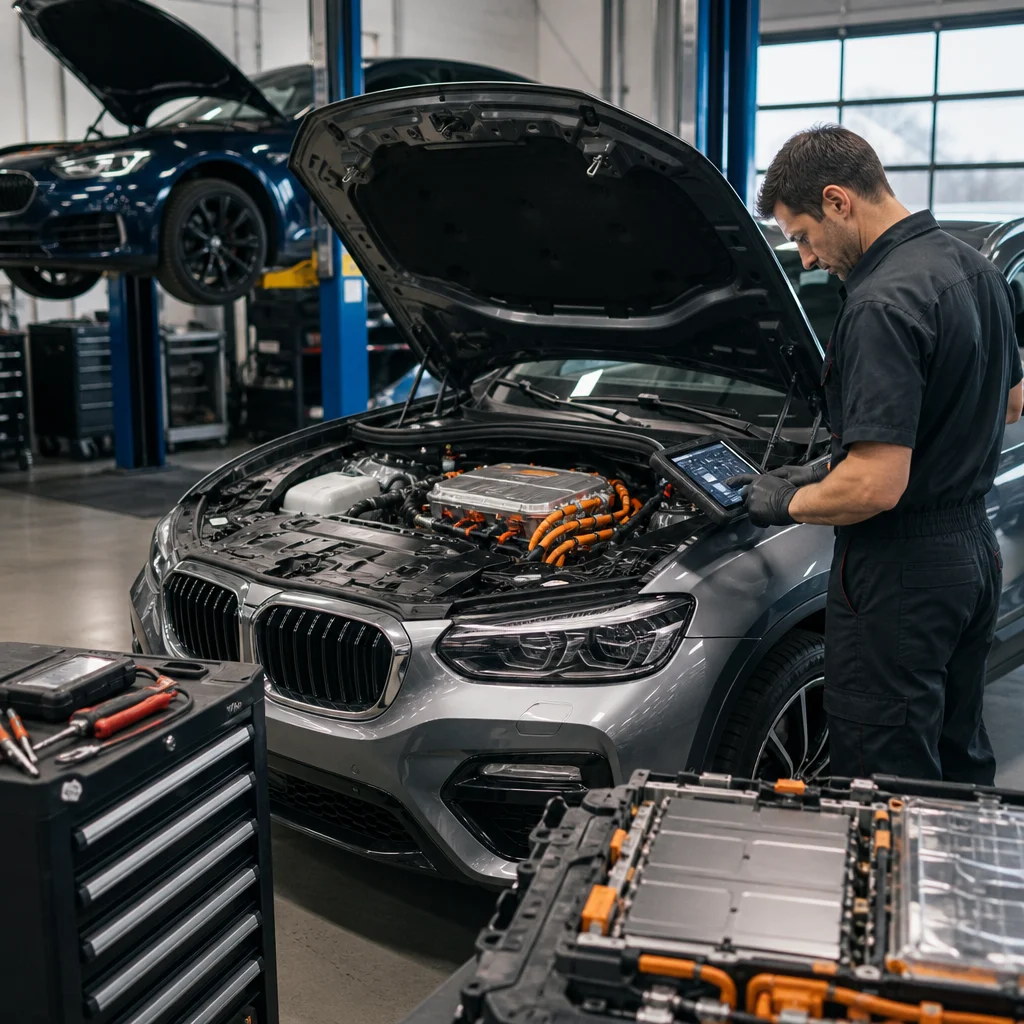
When you bring in a vehicle exhibiting hybrid-specific symptoms like poor regenerative braking response, battery charging issues, or power delivery hesitation, our technicians can pull diagnostic trouble codes and live parameter data that reveals the root cause quickly. We see the battery temperature curves, inverter efficiency readings, and motor performance graphs that tell the true story behind what’s happening.
This depth of diagnostic access means we catch problems early. Rather than replacing expensive components based on guesswork, we identify exactly which module is malfunctioning and address it precisely. Many hybrid issues stem from sensor errors or software glitches rather than hardware failure, something only thorough diagnostics can distinguish.
We also maintain technical databases containing manufacturer service bulletins and known issues for virtually every European hybrid model. If your Audi e-tron is exhibiting a charging limitation that affects 0.3% of units built in your production year, we know about it and have the corrective procedure documented.
Advanced ECU Remapping and Performance Tuning for Hybrid Vehicles
Our hybrid ECU remapping capabilities give you performance optimization options that dealerships categorically refuse. European hybrid owners often find their vehicles artificially limited by conservative manufacturer algorithms designed to maximize fuel economy rather than driving engagement.
Remapping the engine control unit for a hybrid involves carefully recalibrating the power distribution strategy between the electric motor and combustion engine. We can adjust the threshold at which the vehicle switches between electric-only propulsion and hybrid operation, modify throttle response characteristics, and optimize regenerative braking intensity without compromising reliability or battery health.
A practical example: many owners of the Porsche Panamera Hybrid find the stock configuration shifts to combustion engine operation too frequently during normal driving. Through careful ECU remapping, we can extend electric-only range during city driving while maintaining the manufacturer’s safety margins around battery state of charge and thermal management.
This tuning requires intimate knowledge of each manufacturer’s hybrid architecture. We don’t apply generic mapping files; we develop custom calibrations based on your vehicle’s specific needs, your driving patterns, and your performance priorities. The entire process happens while maintaining emissions compliance and manufacturer warranty coverage where possible.
Action step: If you’re considering hybrid performance tuning, provide your service provider with detailed information about your typical driving patterns and specific performance goals.
Cost and Efficiency Comparison: Independent vs. Dealership Service
Dealership service for European hybrids typically costs 30-40% more than independent specialist service for equivalent work, primarily because dealerships apply corporate overhead costs and dealership-specific markup structures. A hybrid battery diagnostic that costs $180 at our facility might run $350 at the dealership, despite the same equipment and technician expertise performing the analysis.
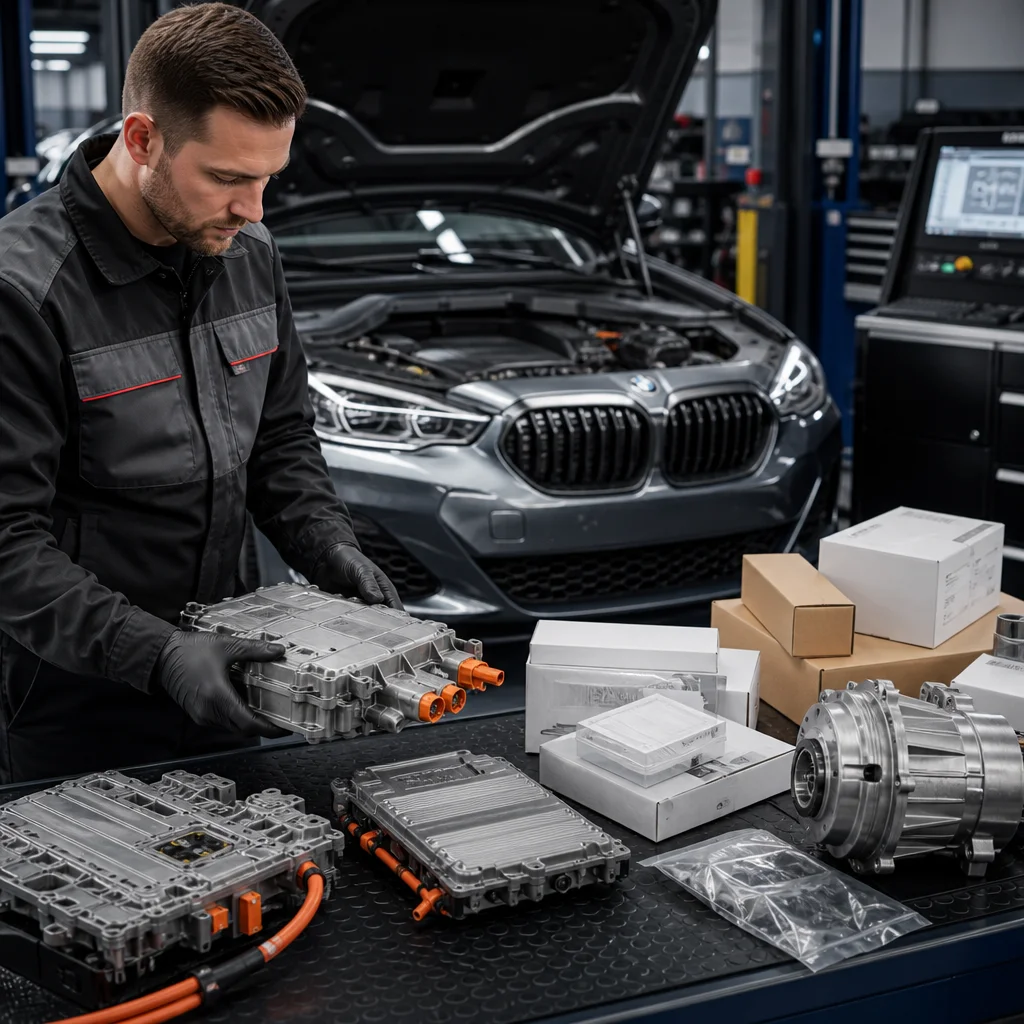
Parts pricing shows even starker differences. OEM components through independent specialists cost considerably less than dealership parts counters. A hybrid inverter module might carry a $2,200 dealership price and $1,600 through our supplier network, with absolutely no difference in the component itself.
Labor efficiency improves when technicians specialize exclusively in one brand family. Our team works on European vehicles eight hours daily, five days weekly, meaning diagnostic procedures move faster through accumulated pattern recognition. A transmission fluid analysis that takes a dealership technician forty-five minutes might take our team twenty-five minutes simply because we perform the same procedure dozens of times annually.
Beyond immediate service costs, independent specialist relationships typically include better communication and more willingness to explore cost-effective solutions before recommending expensive repairs. Dealerships operate on fixed repair procedures; we can often diagnose an issue and determine whether repair, rebuild, or replacement best serves your specific situation and budget.
Action step: Request itemized quotes from both dealership and independent sources for your next service, comparing labor rates, parts pricing, and total time estimates side by side.
OEM Parts and Manufacturer Specifications We Maintain
We maintain strict adherence to OEM parts specifications and manufacturer service protocols despite the flexibility independent specialists technically possess. Cutting corners with aftermarket components or non-approved service procedures seems like cost savings until a failure occurs and you discover warranty implications or safety compromises.
Our inventory includes genuine European OEM parts across all major systems. For hybrid vehicles specifically, we stock original battery management modules, inverter units, high-voltage wiring assemblies, and diagnostic-grade fluid specifications that dealerships sometimes don’t maintain in stock. This means we complete repairs without extended waiting periods.
We also follow manufacturer thermal management protocols precisely. European hybrids employ complex cooling systems that service batteries, inverters, and power electronics through integrated circuits and shared coolant loops. Deviating from OEM specifications regarding coolant type, circulation patterns, or thermal sensor calibration can degrade system reliability and battery longevity.
Manufacturer service bulletins guide our approach to every hybrid-specific repair procedure. These technical documents contain information about proper torque specifications, diagnostic algorithms, component replacement sequences, and post-service recalibration steps that directly impact whether repairs remain effective long-term.
Hybrid Battery Health Monitoring and Thermal Management
Battery health represents the most critical variable in long-term hybrid vehicle reliability and resale value. We employ sophisticated monitoring protocols that track battery state of charge, internal cell balance, thermal characteristics, and degradation trends across service intervals.
Thermal management becomes increasingly complex in hybrid systems because batteries generate heat during charging cycles, motors generate heat during heavy acceleration, and inverters dissipate substantial heat during power conversion. European engineers design integrated thermal management systems that route coolant through multiple components simultaneously, requiring precise calibration and monitoring.
Our battery health assessments include impedance testing, which reveals cell-level performance variations that standard voltage measurements miss. A battery might display acceptable voltage while individual cells are failing silently. Impedance testing catches these issues before they cascade into complete battery pack failure.
We also monitor your vehicle’s regenerative braking effectiveness as an indirect indicator of battery health. Declining regenerative efficiency often signals underlying battery degradation before conventional warning lights appear. Early detection allows preventive intervention rather than emergency replacement.
Transmission Rebuild Expertise for Hybrid Powertrains
Hybrid transmissions operate differently from conventional gearboxes because they must coordinate power delivery between two separate motors while managing energy flow and efficiency optimization. We possess specific expertise in hybrid transmission rebuild procedures that respect these unique requirements.
European hybrid transmissions employ sophisticated clutch systems and epicyclic gear arrangements designed to transition seamlessly between electric-only operation, hybrid operation, and combustion-only operation. A conventional transmission rebuild approach won’t work; the entire rebuild process must account for hybrid-specific valve body programming and fluid routing sequences.
Our transmission rebuilds include complete verification of hybrid-specific functionality post-installation. We don’t simply confirm the transmission shifts correctly; we validate that regenerative braking integration functions properly, that electric motor assistance deploys correctly during acceleration, and that energy recapture occurs efficiently during deceleration.
We also source transmission fluid specifications that meet European manufacturer requirements for hybrid systems. Using standard transmission fluid in a hybrid transmission will degrade component longevity and transmission performance. OEM-spec fluid selection protects your investment.
Why EuroX Performance is the Clear Choice for Your European Hybrid or EV
We combine veteran-owned reliability, specialized European expertise, dealer-level diagnostics, and performance capabilities that no dealership can match. Our team understands that European hybrid and EV owners demand precision, responsiveness, and technical knowledge that generic repair facilities simply cannot provide.
Your vehicle represents a significant investment, and its service provider should match that investment’s sophistication. We’ve built our reputation specifically around European performance vehicles, which means every infrastructure decision, every equipment purchase, and every staff training program serves your needs directly.
We maintain transparency about costs, timelines, and recommended procedures. We won’t recommend unnecessary service, and we’ll explain the reasoning behind every repair recommendation in terms that make sense. We treat your vehicle with the respect it deserves.
Action step: Schedule a consultation with our team to discuss your specific vehicle’s service history and performance goals. We’ll evaluate your hybrid or EV and provide a clear assessment of current health status and recommended service priorities.
How to Choose the Right Service Provider for Your Specific Vehicle Model
Start by verifying that any potential service provider has actual experience with your specific vehicle model and model year. Hybrid systems vary significantly between manufacturers and across production years; experience with one Audi hybrid doesn’t necessarily translate to Porsche hybrid expertise.
Request references from customers who own the same vehicle model you do. Ask those owners specifically about hybrid system issues they’ve experienced and how the service provider handled diagnosis and repair. Real-world feedback proves more valuable than marketing claims.
Evaluate the facility’s equipment and technical resources directly. Do they own manufacturer-specific diagnostic computers? Can they show you their parts inventory for your vehicle? Do they maintain subscriptions to manufacturer technical databases? These resources directly correlate with service quality.
Finally, assess communication style and transparency. You should understand exactly what work will be performed, why it’s necessary, what parts will be installed, and what the total cost will be before work begins. Any service provider who resists detailed pre-service communication isn’t worth your trust.
We welcome inquiries about our qualifications, equipment, and experience. Contact us to discuss your European hybrid or EV needs and discover why specialized expertise delivers better outcomes than conventional repair services.