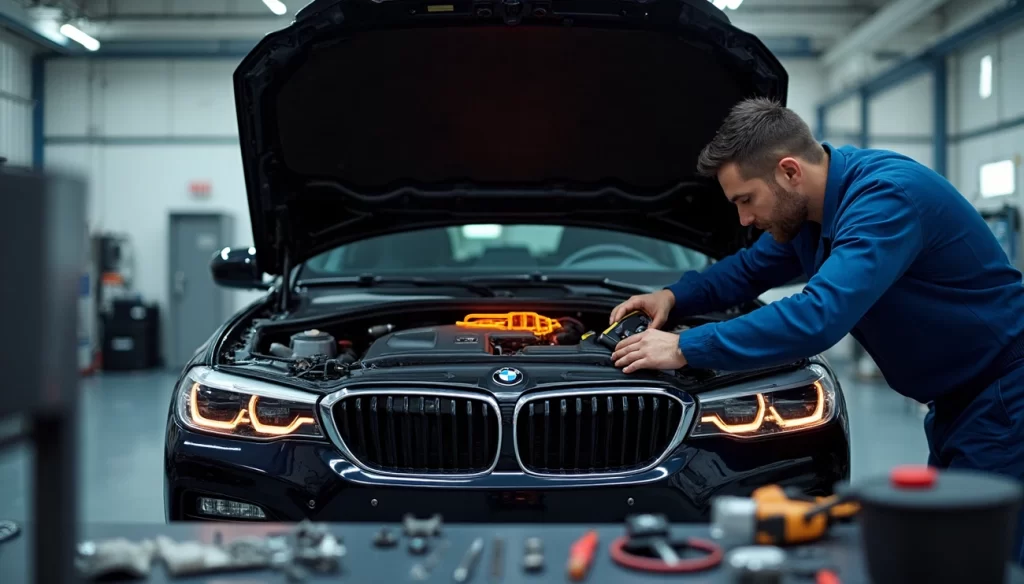
If your AC clutch is not engaging, the cause may be low refrigerant, an electrical fault or a control system deliberately keeping it off. Test pressure and clutch power before replacing parts. On a freezing Golden morning, check the vehicle’s cold-weather operating limits, too: a stationary clutch is not automatically broken.
On a conventional clutch system, the outer pulley turns with the belt, but the center plate turns only when the clutch engages. If that plate stays still, the compressor is not being driven. During defrost, that can limit moisture removal and leave the windshield slow to clear.
Why Does Defrost Need the AC Compressor on Cold Mornings?
Defrost normally requests compressor operation to remove moisture from cabin air. Air passes over the cold evaporator, where water condenses, then the heater reheats it before it reaches the windshield. Heated air alone can help clear glass, but without dehumidification, moisture from wet floor mats and passengers can make clearing slower.
After a Front Range snowstorm, clear glass matters before you enter I-70 or Clear Creek Canyon. If fog comes with a sweet smell and a greasy film, suspect a coolant leak rather than ordinary condensation. Our heater core leak symptoms guide explains that fault, which needs prompt attention rather than more A/C use.
What Has to Be True Before the Clutch Gets Power?
The clutch sits at the end of a control sequence. A fault anywhere in that sequence can leave the center plate stationary, even with the A/C button illuminated.
- The climate control requests cooling. Pressing A/C or defrost sends a request. The button light confirms the request, not power at the clutch.
- The system grants permission. The controller checks operating conditions against the vehicle’s limits. Abnormal refrigerant pressure, for example, can prevent engagement.
- The controller commands the relay. On a relay-controlled system, the relay must close its contacts to supply clutch power.
- Current reaches the coil. The supply circuit and ground must carry enough current for the coil to work.
- The plate pulls against the pulley. The coil’s magnetic force engages the plate. Excessive air gap or a failed coil can prevent that movement.
A technician can compare the A/C request and permission in scan data, then test the circuit. That separates a controller withholding operation from a clutch receiving power but failing to engage.
Why Does the Clutch Stay Off When the System Is Protecting Itself?
Compressor operation may be denied during freezing weather, engine overheating or hard acceleration. Low system voltage and stored protection faults can also block it. The exact conditions depend on the vehicle, so diagnosis starts with manufacturer information and stored codes, not a replacement clutch.
Cold-weather and pressure limits
A clutch that stays off on a freezing morning may be operating normally. There is no universal outside-temperature cutoff for every Audi, BMW, Mercedes-Benz or Porsche. Compare ambient temperature and pressure data with the specifications for the exact model before declaring a fault.
Low charge is a symptom, not a fix
Low refrigerant is a common reason for compressor lockout. The pressure sensor or switch helps prevent operation when insufficient charge could compromise lubrication. Too much refrigerant can also create abnormal pressure and prevent engagement.
A low pressure reading alone does not establish the charge level, especially in cold weather. If testing confirms an undercharge, investigate refrigerant loss rather than repeatedly topping it off. Bypassing a pressure switch or adding refrigerant just to force engagement can damage the compressor.
When stored controller faults accompany the symptom, our automotive electrical service can help trace the circuit. If the check engine light is also on, a check engine light diagnosis can establish whether an engine fault is affecting compressor permission.
Are the Fuse, Relay and Voltage at the Clutch Connector Good?
A relay click does not prove power reaches the clutch. Its contacts can close but still resist current flow.
Check the AC fuse too, since a blown one cuts power to the clutch outright. A good fuse still says nothing about the circuit under load, so the fuse check is only the start.
Once compressor operation is authorized, measure voltage at the clutch connector and check the ground under load. Corrosion or damaged wiring can leave the coil with insufficient power. Use the manufacturer’s specification rather than a universal voltage threshold, and keep hands and test leads clear of the belt.
What Happens When the Coil Is Powered but the Plate Stays Out?
A failed coil cannot produce the magnetic force needed to engage the clutch. An open winding or internal thermal fuse can interrupt current even when supply voltage is present. Resistance and circuit tests should be compared with the model’s specifications.
The air gap is the clearance between the pulley and clutch plate. If wear increases that gap beyond specification, the coil may struggle to pull the plate in, particularly after heat soak. A clutch that works cold but stops engaging after a drive needs testing while the fault is present.
Why Is the Air Cold on the Highway but Warm at Idle?
Cooling that returns at highway speed points toward a different test path than a clutch that never engages. Road speed pushes air through the condenser; at idle, the fans must provide that airflow. Poor fan operation or blocked condenser fins can reduce cooling while stopped.
Check fan operation and compare system pressures under both conditions. An intermittent clutch fault remains possible, but replacing the clutch without checking condenser airflow can miss the cause.
Which Compressors Have No Clutch to Watch?
Some European vehicles use clutchless variable-displacement compressors, while hybrids and EVs may use high-voltage electric compressors. Neither should be diagnosed by looking for a traditional clutch to pull in. Identify the compressor design before interpreting pulley or hub movement.
| System type | What to check | What to avoid |
|---|---|---|
| Conventional magnetic clutch | Center plate engagement, clutch circuit power and air gap | Bridging pressure switches or applying battery power as a first test |
| Clutchless variable-displacement compressor | Control valve command and pressure response using model-specific scan data | Looking for cycling clutch engagement on a compressor without one |
| High-voltage electric compressor | Compressor commands, pressure readings and high-voltage system status | Jumper tests or refrigerant procedures intended for conventional systems |
A clutchless belt-driven compressor can turn without producing the requested cooling if its control system is not regulating output correctly. Electric compressors require high-voltage safety procedures. Both need the correct diagnostic tools and service information, not a conventional clutch test.
What Can You Check Safely, and When Should a Shop Take Over?
Clean the inside of the windshield with a microfiber cloth, select defrost and turn recirculation off. Increase the fan speed to move outside air across the glass. If visibility is inadequate, pull over safely and wait for the windshield to clear.
Note whether the problem happens only at startup, after a drive or while stopped. Persistent fog can also involve a restricted cabin filter or blocked evaporator drain, so the inspection should include the air path rather than stopping at the compressor.
Leave pressure-switch bypasses and direct clutch-power tests to a qualified technician. They can defeat compressor protection or damage a controller, and the belt remains a moving hazard. Ask for the pressure readings and electrical test results before authorizing clutch replacement.
EuroX Performance in Golden, Colorado, provides A/C diagnostics using dealer-level tools and ASE-certified technicians. For a clutch that stays off or defrost that will not clear the glass, request an auto A/C repair diagnosis by calling (303) 562-1800 or submitting the form on our contact page.
Frequently asked questions
Can I spray WD-40 on the AC compressor clutch to get it to engage?
No. Lubricant cannot correct an electrical fault or excessive clutch air gap, and it can contaminate the clutch’s friction surfaces. The clutch needs circuit testing and a clearance measurement, not spray lubricant.
Will a can of refrigerant make the clutch engage?
Adding refrigerant may change pressure enough to allow engagement if the system is undercharged, but that does not make it a safe diagnostic test. An incorrect charge can damage the system, and topping off does not repair a leak. Have the charge assessed using the procedure and refrigerant specified for your vehicle.
Can low refrigerant stop the AC clutch from engaging?
Yes. A pressure switch or transducer can cause the controller to withhold clutch operation when pressure is too low. However, cold weather also lowers refrigerant pressure, so a low reading must be interpreted against ambient temperature and manufacturer specifications.
Is it safe to drive when the windshield fogs on a cold morning?
Only when you have clear visibility. Use defrost with recirculation off, and pull over safely if fog obscures the road. A sweet smell with a greasy film suggests a possible heater core leak, which needs prompt diagnosis rather than continued attempts to clear ordinary condensation.